
In an era defined by constant digital connectivity, urban acceleration, and heightened daily stress, our physical environments play an increasingly critical role in shaping human health. While architecture provides shelter, it is often the landscapes surrounding us that provide genuine sanctuary. At Wilson + Burson Landscape Architecture, our core mission centers on a foundational truth: connection to nature is not an elective luxury, but a vital biological requirement for human flourishing.
Through intentional healing garden design, thoughtfully structured therapeutic landscape design, and community-centered applications of therapeutic horticulture in Jacksonville and across the Southeast, outdoor spaces can be transformed from passive scenery into active agents of restoration, recovery, and holistic well-being.
1. UNDERSTANDING THE PHILOSOPHY: WHAT IS A HEALING GARDEN?
A healing garden is a green space designed specifically to promote relief from mental fatigue, foster stress recovery, and encourage emotional and physical restoration. While all natural settings offer intrinsic beauty, a dedicated healing garden is curated with purposeful intent. It integrates evidence-based environmental psychology, ecological design principles, and human-centered landscape architecture to directly influence the human nervous system.
Research pioneered by environmental psychologists—such as Roger Ulrich’s landmark Stress Recovery Theory and Stephen and Rachel Kaplan’s Attention Restoration Theory (ART)—demonstrates that immersive contact with natural elements measurably reduces cortisol levels, lowers blood pressure, decreases physiological stress, and accelerates recovery outcomes in healthcare settings. At Wilson + Burson, we translate these scientific insights into physical environments that offer quiet solace and gentle sensory engagement.
2. KEY PILLARS OF THERAPEUTIC LANDSCAPE DESIGN
Designing a truly restorative landscape demands far more than planting attractive foliage or installing a fountain. Effective therapeutic landscape design balances sensory stimulation, intuitive spatial layout, and deep ecological alignment. Key principles guiding our practice include:
Multi-Sensory Harmony Without Overstimulation
Modern life inundates us with harsh, aggressive stimuli—glaring screens, traffic noise, and artificial lighting. A therapeutic landscape rebalances the senses through soft, organic textures and gentle rhythmic stimuli:
• Visual Softness: Layered visual depths, rich varied shades of green, and non-repeating organic fractal patterns found in leaf structures and canopy shadows.
• Auditory Comfort: The acoustic buffering of soft running water, rustling native grasses, and the biological chorus of native songbirds.
• Tactile Interactivity: Textural variety ranging from smooth river stone pathways to touchable, soft-foliaged plantings like woolly thyme or velvety lamb’s ear.
• Olfactory Nuance: Subtly released aromatic compounds from sweet blossom trees, native jasmine, rosemary, and cedar foliage that evoke grounding memories without causing sensory overload.
Clear Spatial Orientation and Legibility
Uncertainty breeds anxiety. In a healing garden, spatial layout must be intuitive, inviting, and secure. Visitors should immediately comprehend path direction, accessible seating opportunities, and navigational cues. Circular pathways, gentle grade changes, clear sightlines, and protected alcoves—often referred to as “prospect and refuge”—allow individuals to feel both sheltered from behind and capable of looking out over a soothing natural vista.
DESIGN INSIGHT: PROSPECT & REFUGE IN PRACTICE
In healthcare facilities and private wellness sanctuaries, providing “refuge” (a protected bench backed by a stone wall or dense hedge) paired with “prospect” (an open view toward a pond or flower border) creates an immediate sense of psychological safety, enabling the parasympathetic nervous system to disengage from hyper-vigilance.
3. THE HEALING ENVIRONMENT IN COASTAL FLORIDA: THERAPEUTIC HORTICULTURE IN JACKSONVILLE
Regional context is essential to meaningful landscape architecture. In Northeast Florida, the natural environment offers extraordinary opportunities and unique climate dynamics for wellness-focused design. Practicing therapeutic horticulture in Jacksonville requires working harmoniously with local microclimates, coastal breezes, high humidity, and intense summer sunlight.
By prioritizing regional biodiversity, native plant palettes, and climate-resilient hardscaping, Wilson
+ Burson crafts regional wellness sanctuaries that feel rooted in their native ecosystem. Coastal live oaks offer sweeping, dappled shade canopy essential for summer thermal comfort, while native palmettos, coontie, firebush, and soft muhly grass provide visual richness and seasonal color transitions.
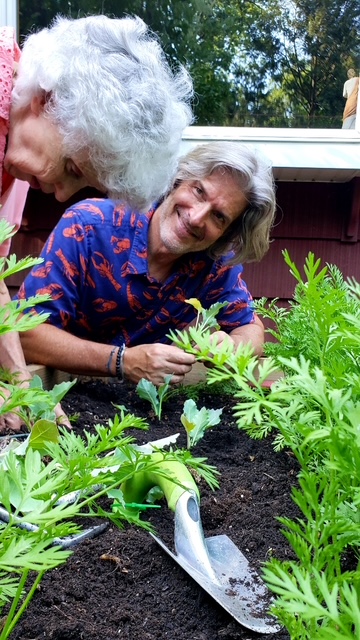
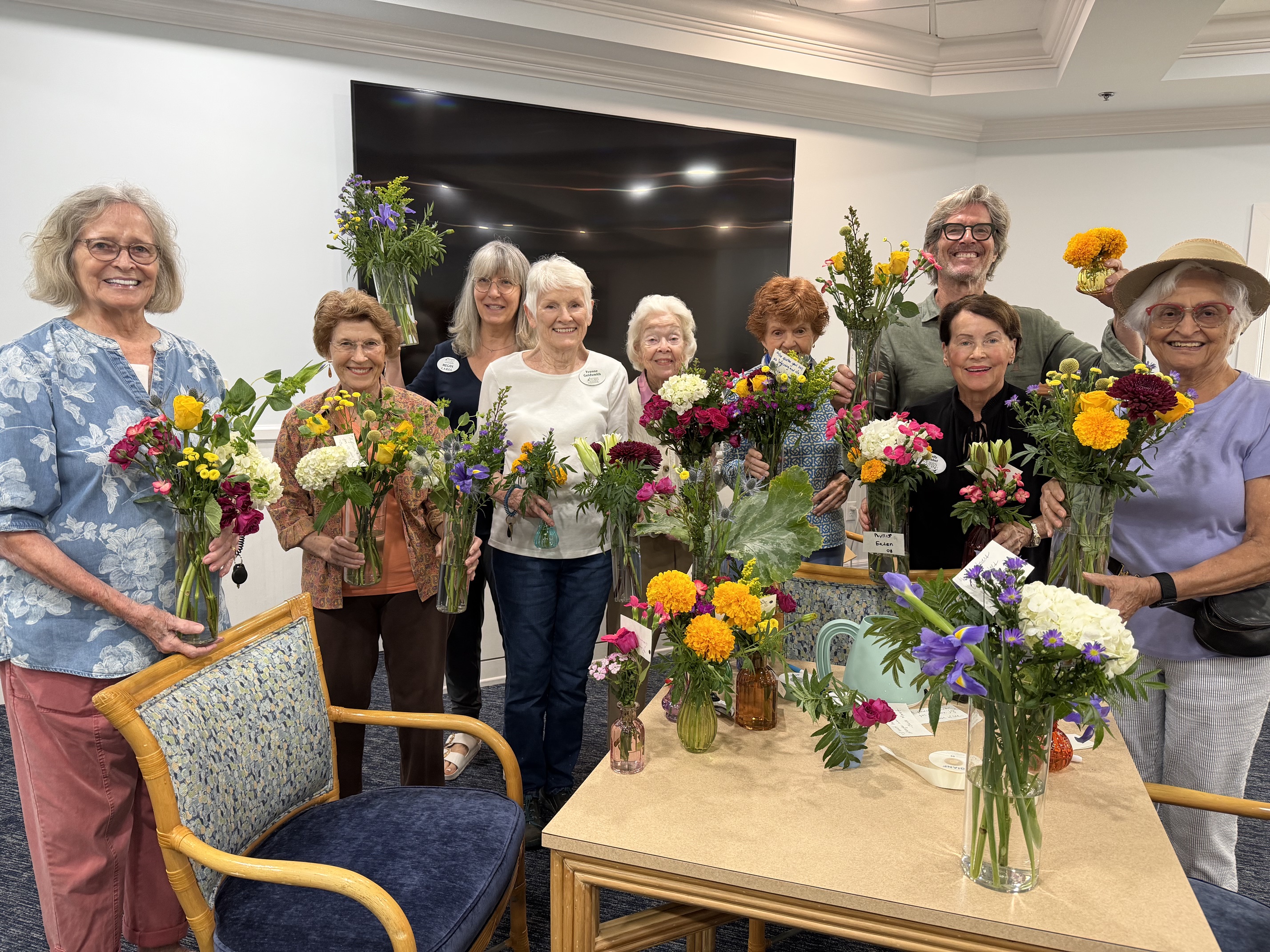
Therapeutic horticulture also emphasizes active engagement. Raised garden beds set at accessible heights, fragrant cutting gardens, and interactive potting stations encourage individuals in medical, memory care, or residential settings to touch, nurture, and participate directly in plant life cycles—a process proven to improve cognitive function, fine motor skills, and emotional resilience.
4. SPECIALIZED DESIGN APPROACHES FOR DIVERSE SETTINGS
Every landscape answers a distinct human need. At Wilson + Burson, our approach to wellness garden design adapts to the specific purpose and community of each space:
Healthcare & Medical Campuses
For hospitals, rehabilitation clinics, and hospice facilities, healing outdoor spaces serve patients, visiting family members, and medical personnel alike. Direct accessibility for mobility devices, non-glare paving materials, smoothed thresholds, and quiet break spaces for healthcare workers provide necessary respite within demanding medical environments.
Residential Sanctuaries & Private Retreats
In residential projects, wellness garden design focuses on creating personal rituals of deceleration. Features like private outdoor meditation nooks, cold-plunge and sauna garden integration, quiet water features, and night-blooming moon gardens transform standard backyards into deeply restorative daily sanctuaries.
Corporate & Educational Landscapes
Integrating restorative outdoor hubs into corporate campuses and schools counteracts cognitive fatigue, encourages spontaneous movement, and boosts creative problem-solving. Shaded outdoor work pods and walking contemplation loops allow professionals and students to recharge during demanding days.
5. THE WILSON + BURSON DEEPER MISSION: RESTORING THE HUMAN-NATURE BOND
At Wilson + Burson Landscape Architecture, our dedication to healing gardens is not merely a design trend—it expresses our foundational core identity. We view landscape architects not just as placemakers, but as stewards of ecological and human health. We believe that thoughtful spatial design can heal strained ecosystems while simultaneously nourishing the human spirit.
Every stone selected, path aligned, and species planted carries the potential to quiet a stressed mind, offer comfort during physical recovery, or provide a serene background for quiet contemplation. By fusing ecological rigor with empathetic, human-centered design, we build spaces where architecture dissolves, nature leads, and true recovery begins.
ABOUT WILSON + BURSON LANDSCAPE ARCHITECTURE
Wilson + Burson Landscape Architecture is a premier landscape architecture and site design firm serving Jacksonville and surrounding regions. Specializing in high-end residential estates, therapeutic landscapes, healthcare campuses, and civic public spaces, Wilson + Burson creates timeless environments that harmonize built architecture with natural ecology.